
What Is Biophilic Design?
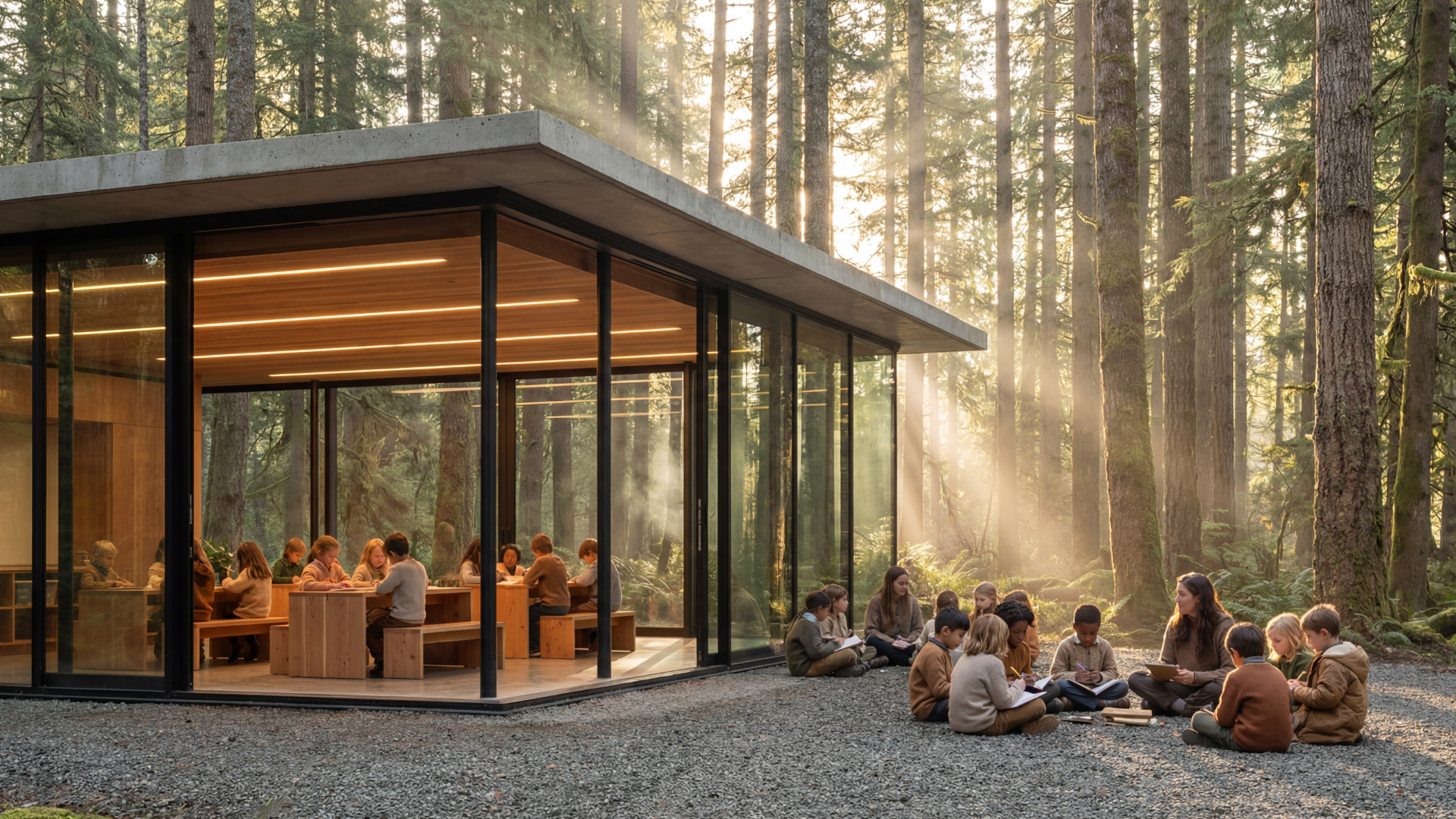
At its core, biophilic design is the practice of embedding humans’ innate affinity for nature into a built environment, in systematic, evidence-based ways. Think design strategies that incorporate:
+ Direct nature (plants, water, light)
+ Indirect nature (materials, patterns, forms)
+ Spatial qualities (intrigue, refuge, complexity)
These elements are intentionally used to support physiological and cognitive performance.
Why Biophilic Design Matters Now
The renewed focus on biophilic design is not simply aesthetic - it is driven by converging global pressures:
+ Urbanization and indoor lifestyles
+ Rising mental health challenges
+ Climate and sustainability mandates
+ The need for higher-performing work environments
As humans spend over 90% of their time indoors, the absence of natural stimuli has measurable consequences on well-being, productivity, and cognitive performance.
Biophilic design offers a way to reintroduce these elements in structured, measurable ways - aligning human health with environmental responsibility.
The Science Behind Biophilic Design: Stress, Cognition, and Human Behavior
A growing body of research demonstrates that integrating nature into built environments has measurable physiological and psychological benefits.
Studies have shown that exposure to natural elements can:
+ Reduce stress and cortisol levels
+ Improve focus and cognitive function
+ Enhance creativity and problem-solving
+ Support faster recovery in healthcare settings
For example, patients with views of nature have been shown to recover faster and require less pain medication compared to those without such views.
Similarly, workplace studies indicate that environments incorporating natural materials and daylight can significantly improve employee productivity and satisfaction.
These outcomes are not subjective; they are quantifiable, making biophilic design increasingly relevant for investors and decision-makers.
From Aesthetic to Industry Standard
Historically, nature in design was treated as decorative - plants, textures, or finishes added late in the design process.
Biophilic design represents a shift from this model toward performance-driven integration, where natural elements are considered part of the system from the outset.
This includes:
+ Material selection
+ Structural design
+ Environmental control systems
+ User interaction with space
In this context, materials play a critical role as functional components that influence:
+ Thermal regulation
+ Acoustic performance
+ Structural behavior
+ Human perception and comfort
Biophilic Design in Practice
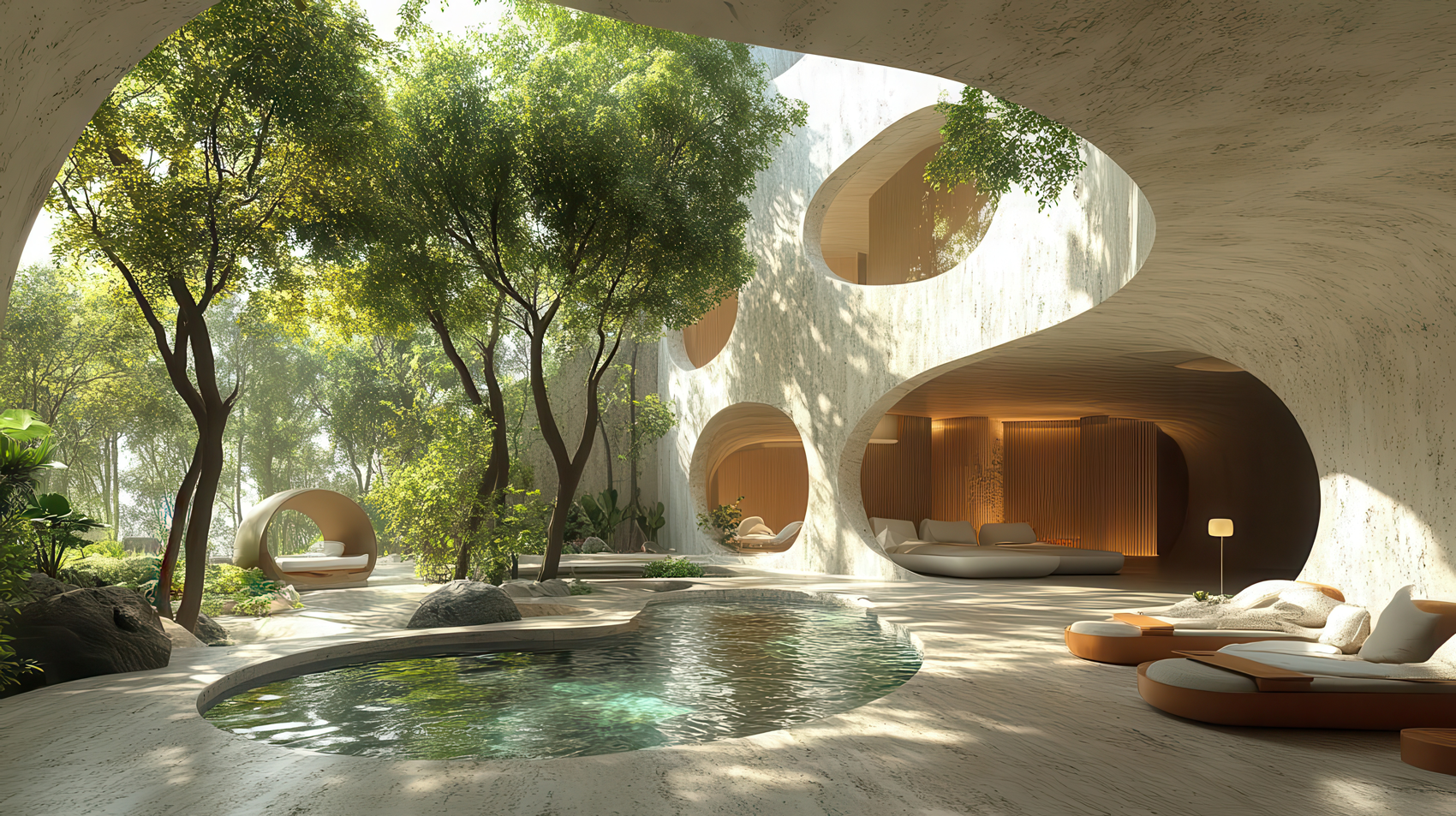
Biophilic design is now being applied across a wide range of industries:
+ Architecture & Construction
Mass timber buildings, natural ventilation systems, and daylight optimization strategies are transforming urban spaces.
+ Product Design
From furniture to consumer electronics, designers are incorporating natural materials to improve both performance and user experience.
+ Transportation & Mobility
Rail, automotive, and aerospace interiors are exploring bio-based materials to improve passenger comfort while reducing environmental impact.
+ Sports & Performance Equipment
Natural materials are being used to enhance vibration damping, tactile feedback, and user comfort.
The Role of Advanced Materials
The next phase of biophilic design depends on materials that can meet both performance and sustainability requirements.
Traditional materials like steel, carbon fiber, and plastics offer high performance but come with significant environmental costs.
Bio-based materials aim to bridge this gap, providing:
+ Lightweight structural performance
+ Reduced environmental impact
+ Improved human interaction
This is where innovations like HiWood come into play.
By transforming natural wood fibers into high-performance composite reinforcement, HiWood enables designers and engineers to integrate biophilic principles into structural applications, not just surface aesthetics.
The Business Case for Biophilic Design
Biophilic design is increasingly supported by measurable economic outcomes:
+ Increased employee productivity
+ Reduced absenteeism
+ Higher property values
+ Improved customer experience
These factors make it not only a design philosophy but also a strategic business decision. For investors, biophilic design aligns with ESG objectives while offering tangible performance metrics.
The Future of Biophilic Design
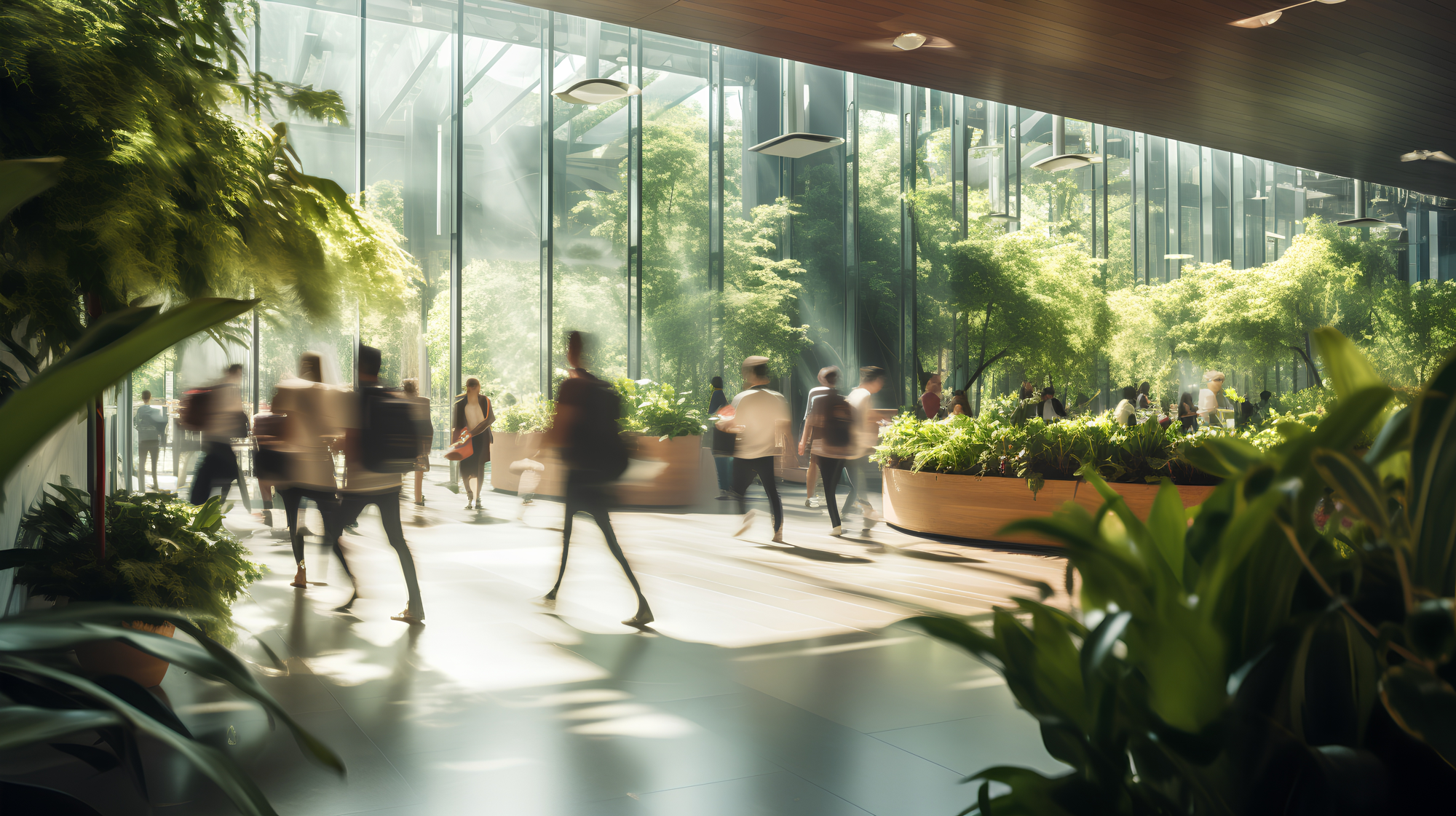
Biophilic design is moving from a niche concept to a foundational approach in how we design environments, products, and materials.
The next stage will be defined by:
+ Advanced bio-based materials
+ Integration with digital design tools
+ Scalable manufacturing processes
+ Cross-industry collaboration
As this evolution continues, the distinction between “natural” and “engineered” will become increasingly blurred.
Conclusion
Biophilic design represents a fundamental shift in how we think about the relationship between humans, materials, and the built environment.
It is no longer about adding nature back in, it is about designing systems where nature is part of the foundation.
For companies like Freshape, this creates an opportunity to redefine materials not only for sustainability, but for performance, experience, and long-term value.
.png)
.jpg)